
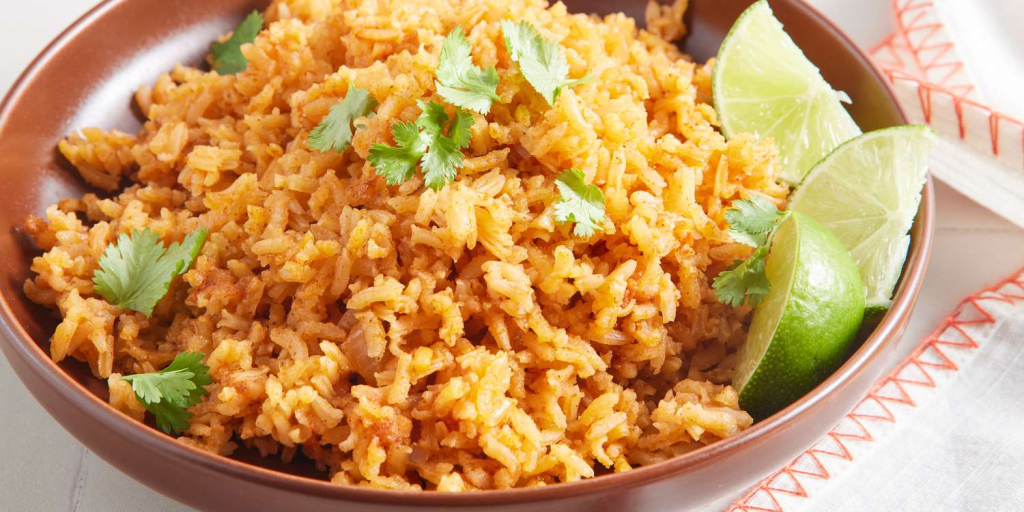
New research has revealed that rice is estimated to be the only major grain with no substantial loss in global yields, and can adapt to warmer conditions. In fact, the study predicts a 50% chance that rice yields actually increase by 2100. Does that mean rice is the impenetrable food source of the future?
Rice May Be The Iron Survivor Of Global Warming
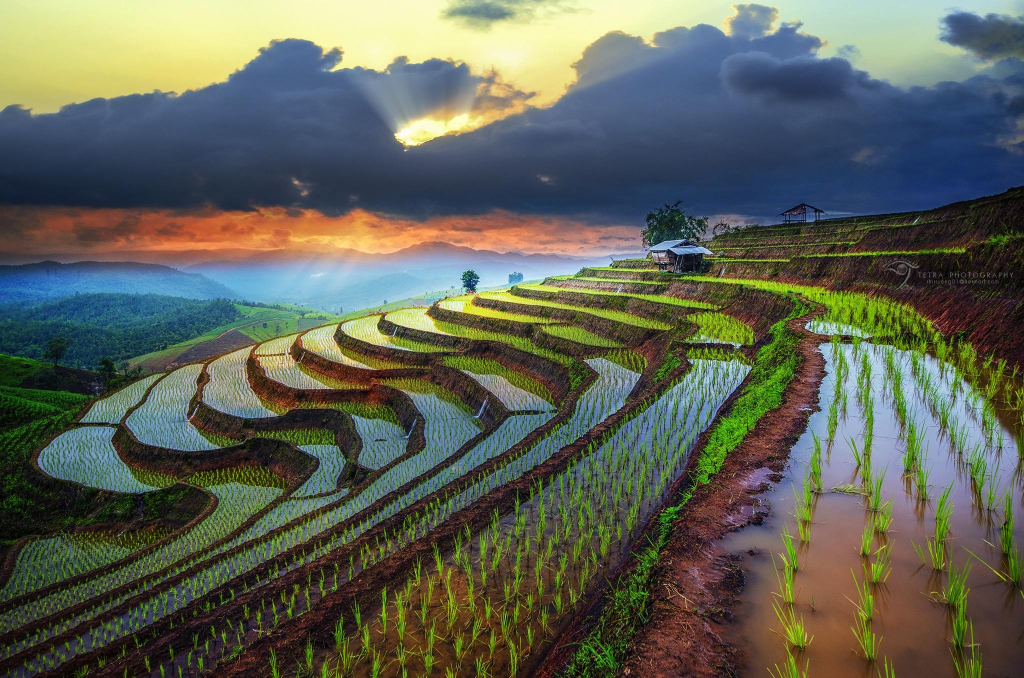
Led by Andrew Hultgren, an agricultural and consumer economics professor at the University of Illinois Urbana-Champaign, the study modeled crop yields under high carbon emissions through the end of the century. Out of all the grains analyzed (rice, wheat, corn, soy, cassava, and sorghum), rice had the smallest projected yield decline by 2050 at 1.91%. The next closest was sorghum, with a 7.68% drop.
The “On/Off Switch” That Can Make Rice Survive Longer
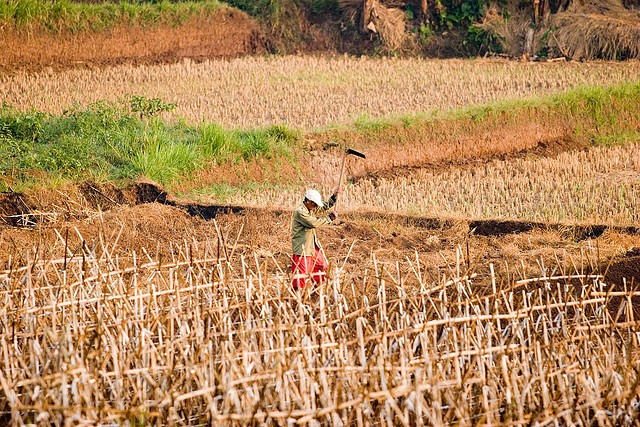
A group of scientists in China discovered that out of 530 rice varieties tested, two displayed significant growth in hotter temperatures. They pinpointed a heat-resistant gene in those variations, and were able to activate it in others, essentially flipping a genetic on and off switch. This doesn’t qualify the rice as genetically modified though since there are no foreign genes introduced, rather its native gene is altered.
The team, led by Yibo Li, a plant geneticist at Huazhong Agricultural University, has begun breeding these heat-tolerant variants with others. The goal is to create rice that’s high-yield and superior quality as the world gets warmer. Further research is on the way.
The Sticky Situation Of Rice Farming

Rice cultivation may remain strong regardless of global warming, but yield isn’t the only factor to consider.
Methane emissions from rice paddies, fields flooded to suppress weeds, are a global climate concern. When the soil has no oxygen, it encourages growth for bacteria that produces methane, which is typically evaporated from the water into the air. The gas can be 80 times more potent in trapping heat than CO2.
The United States and European Union aim to reduce methane emissions by 30% by 2030. The coalition is encouraging countries to implement the Alternate Wetting and Drying method (AWD), a technique that reduces water usage by allowing fields to periodically drain instead of being constantly flooded. The coalition claims AWD can cut methane emissions by 30-70%, and Vietnam rice farms have already improved their probability by 13 percent using this strategy.
While methane emissions don’t affect the nutritional quality of rice, there is one toxic chemical that can. The oxygen-deficient soil in paddies contain microbes that make arsenic more soluble and easier for the rice to absorb. And as CO2 levels and temperatures rise, so do arsenic concentrations in the grain.
Arsenic exposure can increase the risk of heart disease, diabetes, and cancer. Lewis Ziska, an associate professor of environmental health science at Columbia University, co-authored a study showing that as arsenic levels increase in correspondence with climate change, it could lead to approximately 19.3 million more cancer cases just in China alone.
The Future Of Rice
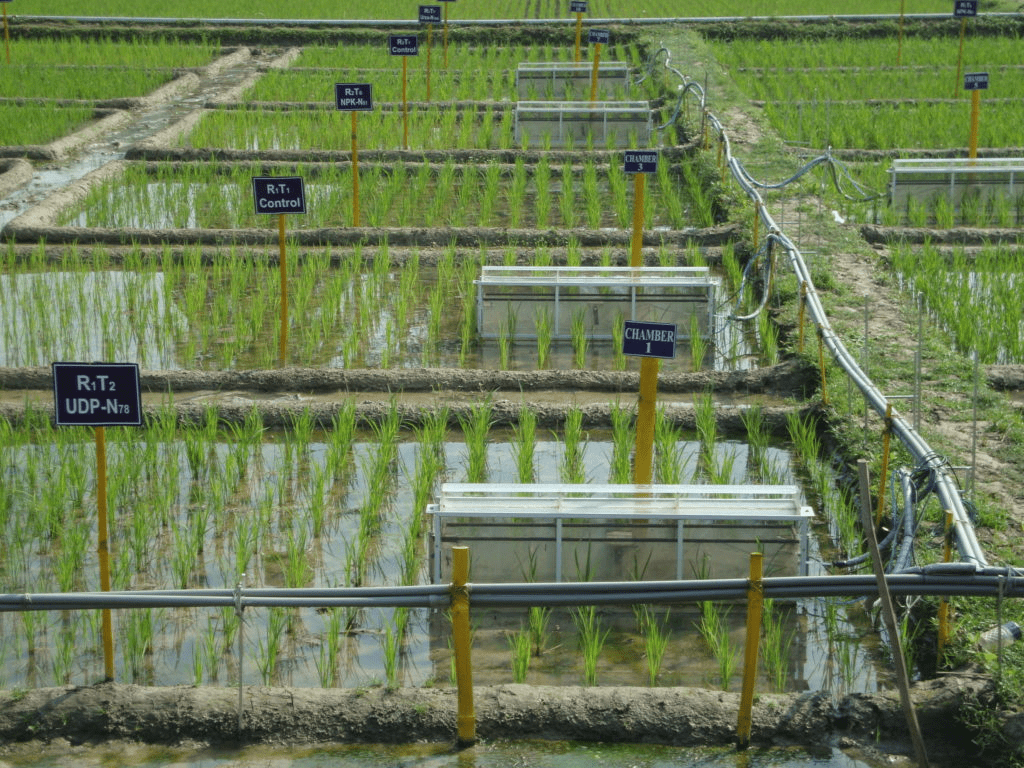
Rice may be one of the last reliable food sources in the distant future if climate change were to persist at high levels. But it’s clear that traditional rice padding is not sustainable for Earth’s health and ours. Beyond the AWD method, other solutions could include using rain water that contain lower arsenic levels, adding sulfur to bind and neutralize toxic chemicals, and seeding rice in dry soil instead of it being wet which can reduce methane emissions.
With continued sustainability efforts, rice will remain our starchy star for generations to come.
 Honcho Health
Leave a comment