

Functional mushrooms have become increasingly popular for food and health supplementation purposes, while truffles’ taste has been heavily sought after in culinary cuisine. But when you take a closer look at these fungi, there’s loads of other nutrition opportunities in their “roots.”
Mycelium Protein Offers Sustainability
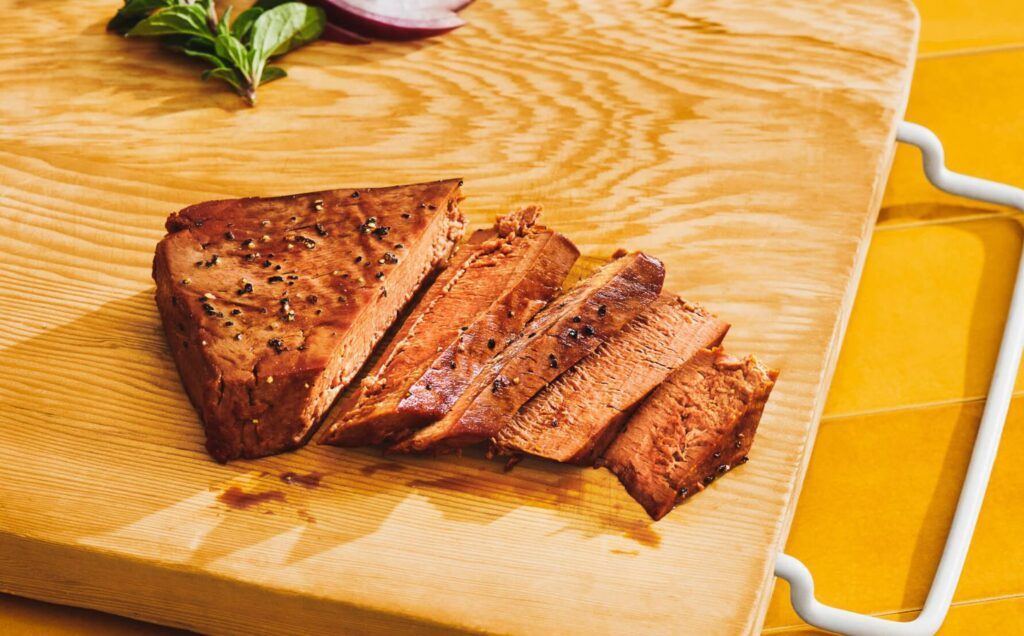
Multiple companies have pivoted towards developing and offering mycelium-based food products, or mycoprotein, a vegan alternative to meat. Mycelium is the main body of fungus, consisting of a thread-like structure that grows beneath the fruiting body of fungi, such as a mushroom cap. However, mycelium is not technically a root, as fungi don’t have roots like plants.
Meati, a Colorado-based company that sells mycelium vegan meat, has been one of the more popular brands in the U.S., with its products being sold nationwide. One serving of its “Classic Steak” two-pack has 15 grams of protein. In 2023, the company claimed it can create the vegan equivalent of “hundreds of cows’ worth of food” within a few days, only needing a teaspoonful of mycelium cells. Its factory is supposedly capable of producing millions of pounds of vegan meat per year. However, the factory’s operations is in jeopardy due to a sudden freeze of company funds from a partnering lender, according to Meati.
Mycelium Food Production Is Surging Worldwide
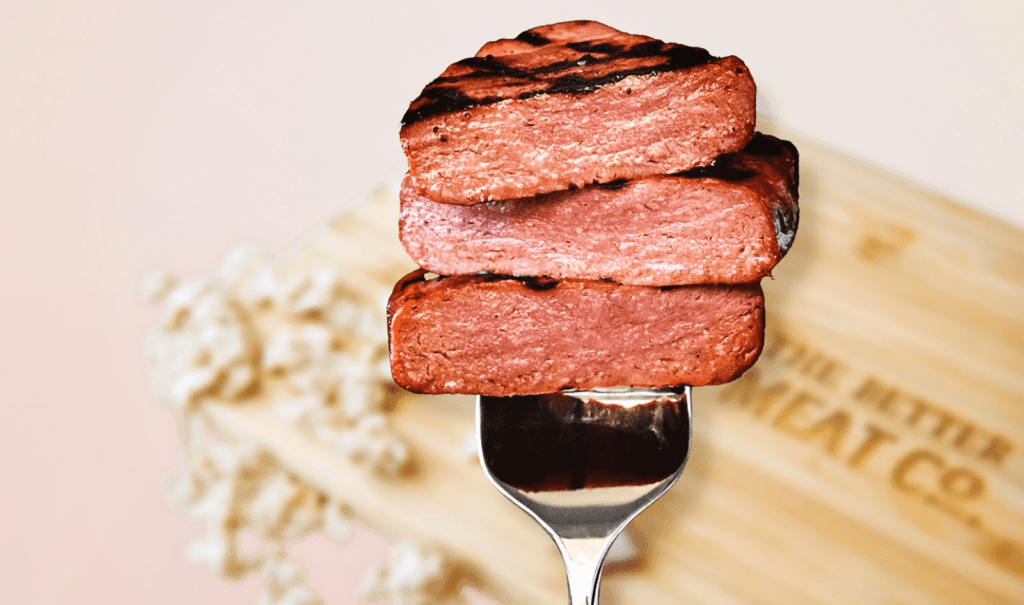
Mycoprotein is increasingly being produced and sold around the world, with sustainability and its status as a complete protein source as key selling points. Scottish company ENOUGH produces its own trademarked mycoprotein, which contains all essential amino acids and is also high in fiber. The company aims to produce 1,000,000 tonnes (approximately 1,102,311 U.S. tons) of mycoprotein by 2032. By doing so, it could reduce CO2 emissions by over 5.5 tons compared to animal-based meat production.
Estonia-based company Funki has its own mycoprotein production facility and claims to have 90% lower CO2 emissions than beef production, uses 98% less water, and requires 99% less land.
Evocative, known for its mycelium-based “MyBacon,” has a New York-based vertical farming facility capable of growing approximately three million pounds of fungus-based meat per year, which is expected to replace up to one million pounds of bacon annually. Two cooked slices of MyBacon have approximately three grams of protein, about half of the nearly six grams found in two slices of cooked pork bacon.
Will Mycoprotein Replace Plant-Based Protein?
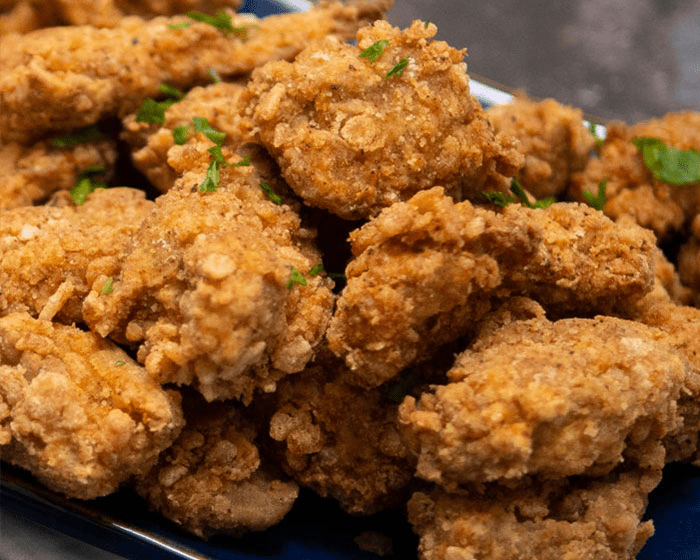
Soy, pea, and gluten-based proteins dominate the vegan industry, so it’s going to be difficult for fungus-based protein to reach the same tier from a broad consumer perspective, especially since some people may be hesitant about eating fungi. However, with it’s tremendous sustainability benefits and ability to grow rapidly, it will only become more popular. Mycoprotein also has a high essential amino acid (EAA) content, making up 41% of its total protein, higher than most plant-based proteins.
One major factor that will determine the success of mycelium foods is pricing. Most brands are currently more expensive than plant-based options. As the market grows, price need to drop; otherwise, it risks becoming just another premium vegan meat outside most people’s budgets.
 Honcho Health
Leave a comment