

Fluoride has been the top mineral in commercial dental products for decades, and many dentists today still recommend fluoride-based toothpastes for their patients. But in recent years, there’s been another mineral that many people are ditching their fluoride products.
What Is Hydroxyapatite?
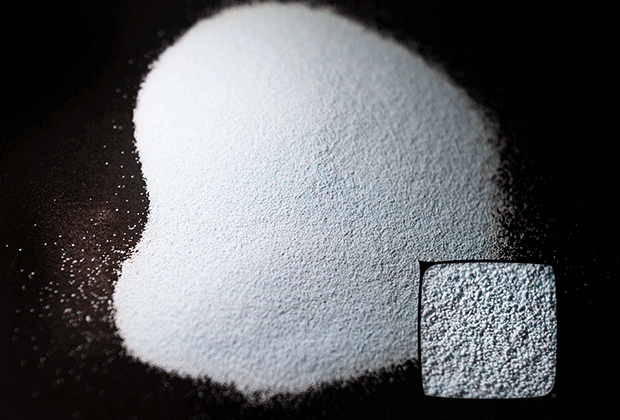
Hydroxyapatite is a mineral compound that’s mainly composed of calcium and phosphorus. It’s found in our bones and teeth, where it makes up approximately 97% of tooth enamel and 70% of dentin.
NASA was the first to create a synthetic hydroxyapatite solution in 1970. The goal was to aid astronauts in space, as they lose bone and teeth density due to their bodies not fighting and strengthening against gravity, as they naturally would on Earth. In 1978, Japanese-based company Sangi, acquired the rights to the patent. Two years later it produced the world’s first commercial toothpaste aimed for enamel restoration using hydroxyapatite. Decades later after becoming popular in Japan, companies in other countries developed their own toothpastes.
Micro Vs Nano-Hydroxyapatite
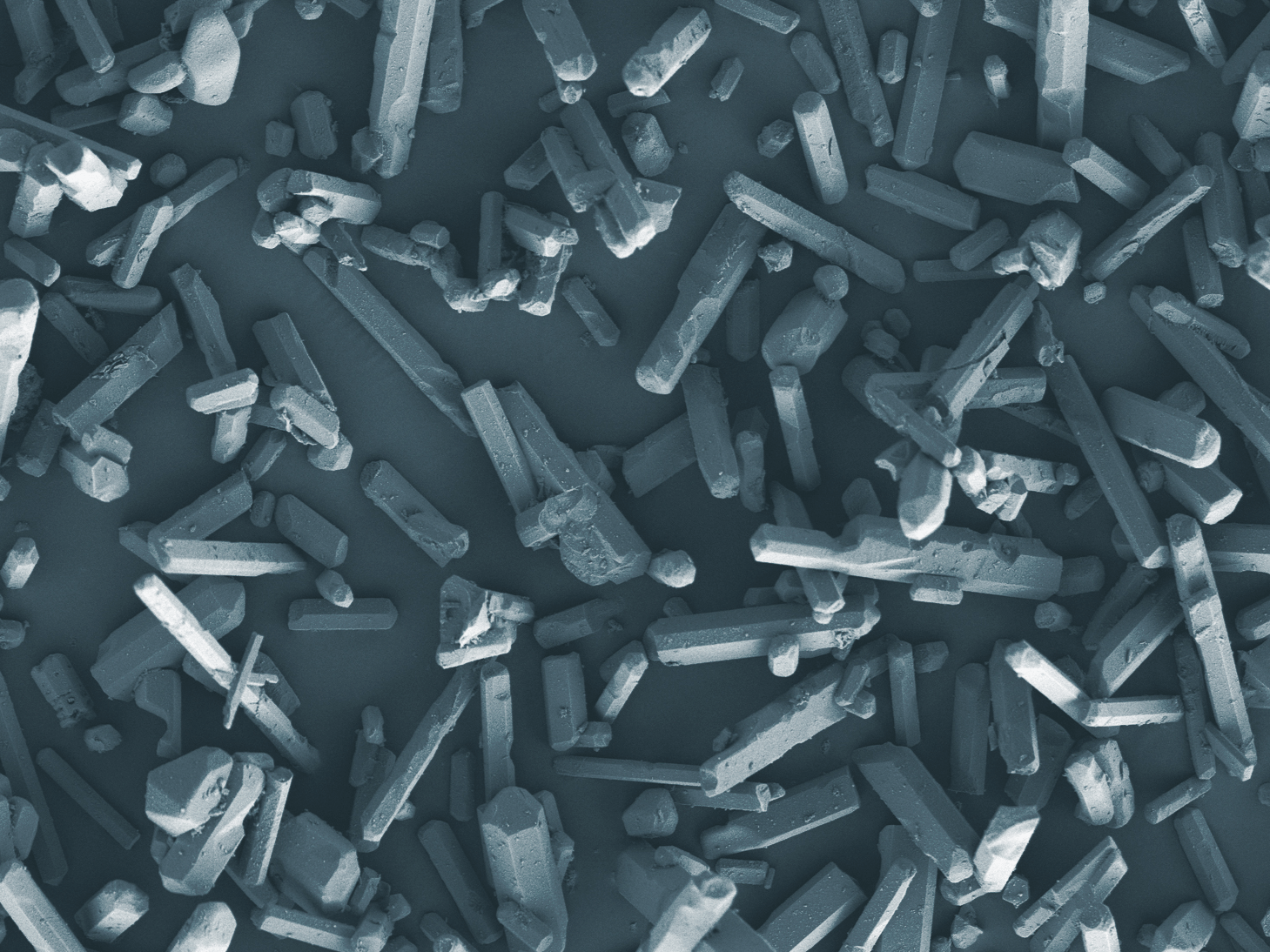
Our teeth are mainly composed of micro-hydroxyapatite, but nano-hydroxyapatite, or nHA, is a synthetic version that’s much smaller and can get into the microscopic pores and cracks of teeth that micro cannot. Most brands tend to use nHA as the primary mineral because of that. However, that doesn’t mean micro isn’t useful.
Micro can strengthen the outer surface of the enamel, while nano works on the deeper levels, so both are useful. However, there have been some potential health concerns with the latter.
Health Concerns With Nano-Hydroxyapatite Toothpaste
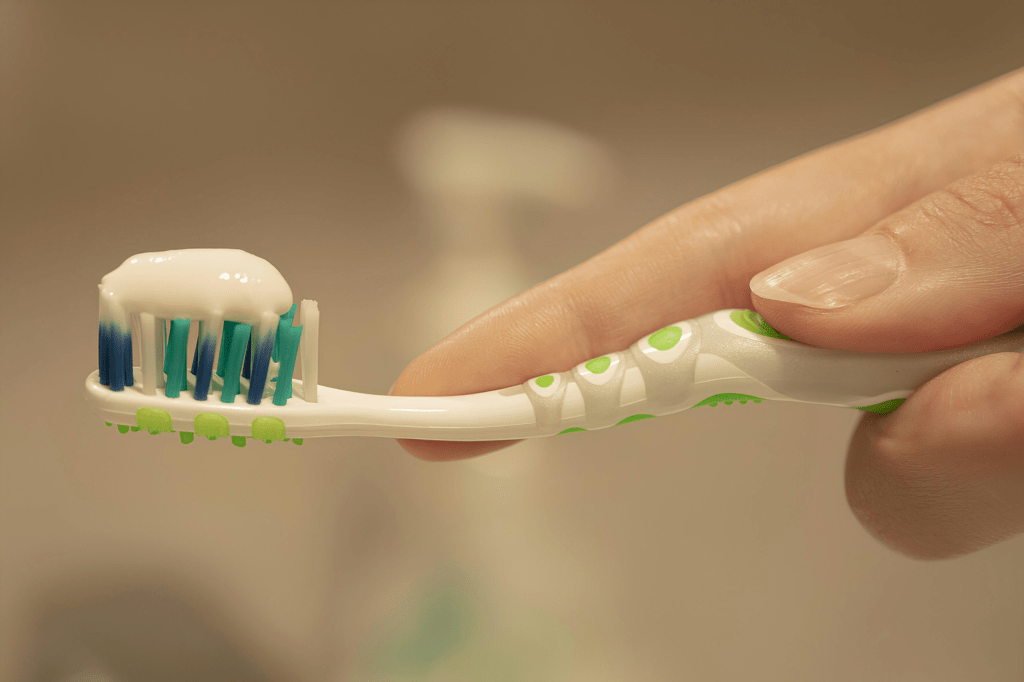
Research shows that dental application of nano-sized materials like nHA can get through the blood brain barrier (BBB), a membrane that protects the brain by preventing harmful substances from getting into the central nervous system (CNS). Because nHA can get through the BBB, it could potentially increase the risk of neurotoxicity if it gets into the CNS. However, researchers have found that more studies are needed to confirm nHA would essentially be neurotoxin.
Europe’s Scientific Committee on Consumer Safety (SCCS) did their own observations and concluded that nHA is safe when its used at concentrations 10% or less in toothpaste, and no more than 0.465% in mouthwash. So toothpastes that boast more than 10% nHA should potentially be avoided. But when it comes to any type of dental product, always make sure to consult with a professional.
 Honcho Health
Leave a comment