
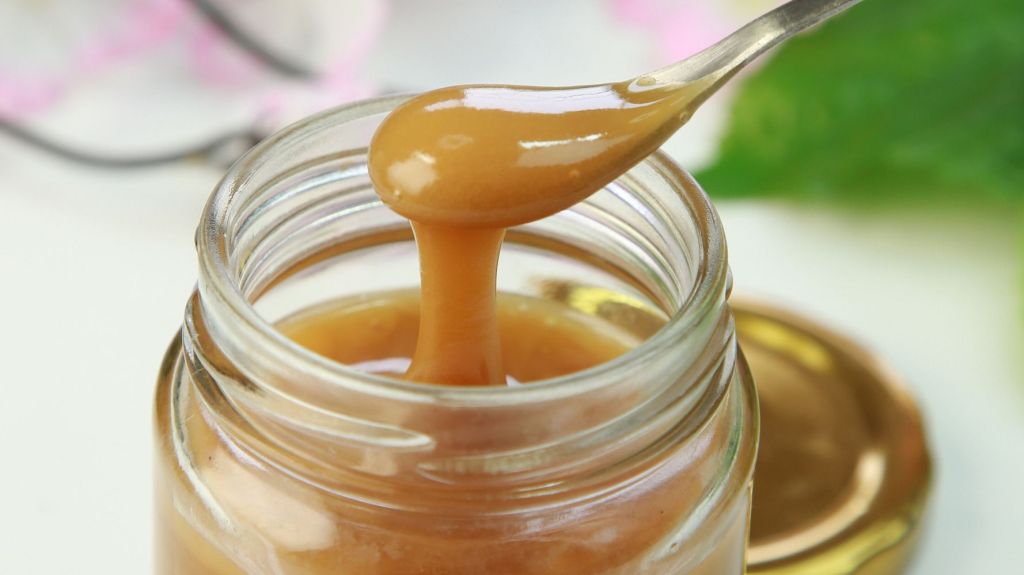
Originating from New Zealand, Manuka Honey is a rare honey that has strong antibacterial properties. It can be used for external and internal uses and is deemed more beneficial than regular honey. Manuka honey comes from the leptospermum scoparium plant, otherwise known as the Manuka plant. There are also places in Australia that have these plants so it’s possible to have Manuka honey come from there as well.
The special ingredient that makes Manuka honey unique is MGO. MGO (methylglyoxal) is an antibacterial substance found in most types of honey, but Manuka plants have a much higher concentration in the nectar. When there’s a higher concentration of MGO, the antibiotic effect will be stronger. Manuka honey manufacturers use a standard rating called UMF, Unique Manuka Factor, that measures the potency of MGO in products. The higher the UMF, the better the potency, where a minimum rating of 10 is needed for a product to be considered potent enough as therapeutic. Ratings above 15 are regarded as superior potency, but you should aim for the highest rating you can possibly find.
External & Internal Use
For external purposes, Manuka honey can help with healing minor wounds, cleaning infections, and overall skincare such as reducing inflammation and irritation associated with acne. For minor wounds, apply a proportionate amount of Manuka honey to a bandage, and then place the bandage on the wound. There are even specialized bandages with Manuka honey that you can purchase. You can simply use the honey as a facial mask when doing your daily skincare routine.
Manuka honey can be ingested daily, depending on the serving size listed on the product you decide to purchase. It improves gut health, your immune system, and it doesn’t have a bad taste to it. When dealing with sore throats, swallowing some of the honey can help soothe symptoms.
Purchasing Manuka Honey
There are plenty of websites online including Amazon that sell Manuka honey. The Manuka plant only blooms 2- 6 weeks of the year, which is why you’ll see the honey is significantly more expensive than regular honey. There’s also raw Manuka honey that’s unpasteurized, and is regarded to be more nutritious than pasteurized Manuka honey, as it holds on to more nutrients. So raw Manuka will even be more expensive.
Even if you don’t want it for daily use, it’s great to have a spare jar of Manuka honey for occasional or emergency use. If you deal with high sugar levels, or diabetes, consult a doctor before consuming the honey internally. Just make sure you purchase one that comes from a reputable brand, and has a high UMF rating. Manuka honey can be a great natural remedy to keep inside your home.
 Honcho Health
Leave a comment